Imagine your company ships a new IoT feature. The connection is encrypted, the login system works and users can control their devices smoothly from their phones.
Then, a hobbyist tries to connect a PS5 controller to their robot vacuum and accidentally unlocks live camera feeds, microphones and floor plans inside 7,000 strangers' homes across 24 countries, reported by the Guardian.
That actually happened with the DJI Romo vacuum. No passwords were cracked and no malware was used.
The core failure? Confusing authentication with authorization.
DJI’s cloud servers verified that the user held a valid login token but failed to enforce topic-level isolation on their MQTT message broker. In a rush to ship connected products, teams often obsess over encrypting data in transit (TLS) while overlooking granular server-side permission checks.
When you miss that step, a single valid key becomes a master key. For businesses, the fallout isn’t just bad press but it’s regulatory fines, incident response chaos, and permanent loss of customer trust.
Tactical security teams look at an incident like this and stop at the immediate technical fixes:
Patching a missing object-level authorization check.
Adding Access Control Lists (ACLs) to an exposed MQTT broker.
Running another automated OWASP API/BOLA scan before scaling.
Those fixes are necessary, but they are technical patches for software failures. Mature security organizations ask deeper questions across Architecture, Governance and Incident Response:
Security Architecture
Threat Modeling: Did we test abuse cases related to different security domains?
AuthN vs. AuthZ Separation: Does our architecture strictly decouple verifying identity from verifying device ownership at the broker and API layers?
Secure-by-Default Baselines: Do developers have security baselines so they don’t depend on individual memory?
Governance & Risk
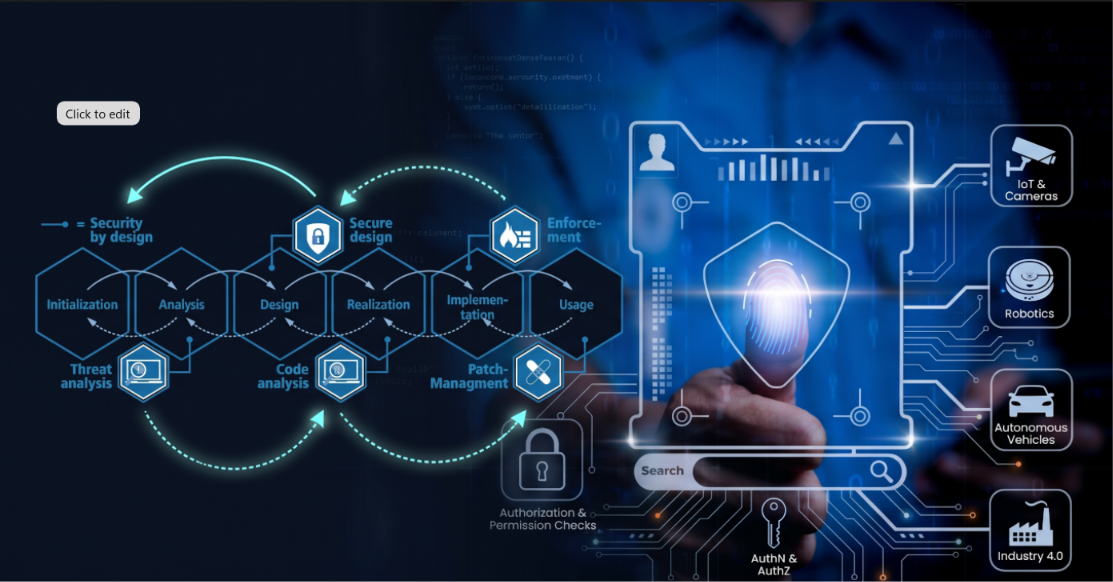
Enforceable Security-by-Design: Are threat models and architecture reviews mandatory SDLC gates, or optional favors?
Accountable Release Gates: If a team pushes to ship before security checks pass, is there a formal risk-acceptance sign-off tied to executive accountability?
Data-Driven Controls: Does high-sensitivity data (home video, audio, spatial maps) automatically trigger strict privacy and pen-testing requirements under frameworks like GDPR or the EU Cyber Resilience Act?
Incident Response & Detection
Behavioral Anomaly Detection: Why didn't telemetry trigger an alert when a single consumer account subscribed to 7,000 device streams in minutes?
Blast-Radius Containment: Can we revoke tokens, isolate broker topics and deploy cloud-side patches within hours without bricking customer hardware?
Security isn't a pre-launch checklist but it’s an architectural and operational discipline.
What is the biggest challenge your team faces when balancing rapid feature delivery with strict API and IoT security? Drop your thoughts below.
#Cybersecurity #IoT #CloudSecurity #SecurityArchitecture #APISecurity #IncidentResponse #PrivacyByDesign